Understanding Israeli Real Estate Zoning Regulations
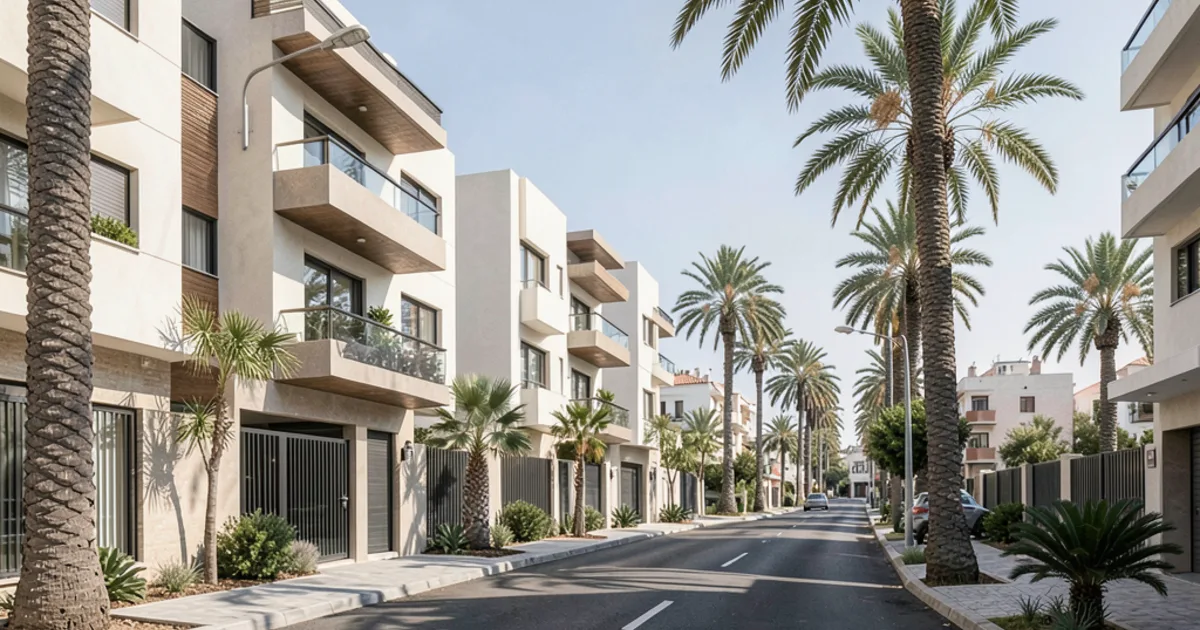
Understanding the regulatory landscape of Israeli real estate is a prerequisite for successful property acquisition and long-term value preservation. The system is governed by a complex hierarchy of planning authorities that dictate how land is used, how much can be built, and what the future potential of a plot might hold. For those seeking exclusive addresses, such as the prestigious coastal areas of Caesarea, a mistake in interpreting zoning can lead to significant financial setbacks. This guide provides a deep dive into the mechanics of Israeli zoning to empower informed decision-making.
- The Hierarchy of Israeli Planning Authorities
- Deciphering the Master Plan (Taba'a) and Local Plans
- Understanding Land Use Designations
- Building Rights: FAR, Coverage, and Height
- The Process of Rezoning and Public Participation
- Land Ownership and the Tabu Registry
- How Zoning Influences Property Valuation
- Due Diligence: Navigating Permits and Legalities
- Practical Advice for Luxury Villa and Plot Buyers
- Navigating Taxes and Municipal Obligations
The Hierarchy of Israeli Planning Authorities
Navigating the Israeli real estate landscape requires a profound understanding of the various layers of planning authority. The system is not a single, unified entity but rather a multi-tiered structure that spans from national strategy to local implementation. For those looking at exclusive properties, these layers dictate everything from the view from a villa to the density of a neighboring plot. Understanding this hierarchy is the first step in mitigating risk and ensuring long-term investment security.
At the top of the pyramid sits the National Planning and Building Council, which focuses on large-scale national interests and strategic infrastructure. This body sets the overarching direction for the country's development, influencing how major corridors and coastal regions are utilized. While a private buyer may never interact with them directly, their decisions trickle down to every local municipality. Their influence is most visible in how they balance national growth with environmental preservation.
Moving down, District Planning Committees act as a vital intermediary between national goals and local needs. These committees oversee regional development and ensure that local plans align with the broader district strategy. They play a critical role in managing the transition between different types of land use across larger geographic areas. For a buyer, the district level is often where significant regional development projects are vetted and approved.
- National Planning and Building Council: Focuses on macro-level strategy and national infrastructure.
- District Planning Committees: Manages regional development and ensures alignment between national and local plans.
- Local Planning Committees: Governs specific municipal zones and issues individual building permits.
Deciphering the Master Plan (Taba'a) and Local Plans
The 'Taba'a' is the cornerstone of all real estate development in Israel, representing the master plan for a specific area. This document outlines the intended use for various parcels of land, including residential, commercial, and recreational zones. For an investor, the Taba'a is the ultimate roadmap for what is legally permissible on a specific plot. Relying on verbal assurances without reviewing the official plan is a common and costly mistake.
Beyond the general master plan, there are more detailed local plans that provide granular instructions for specific neighborhoods or blocks. These detailed plans specify exact building heights, setbacks from property lines, and even the aesthetic character required for new constructions. A property might be located within a residential zone, but the local plan might restrict the type of villa that can be built there. Always cross-reference the general Taba'a with the most recent local plan updates.
Accessing these plans requires engagement with the local municipality or the relevant planning portals. Because these documents are technical and often updated, it is vital to ensure you are looking at the most current, binding version. A plan that was active a few years ago may have undergone significant amendments that change the development potential of a plot. Professional verification is the only way to guarantee you are working with accurate data.
Understanding Land Use Designations
Land use designations are the primary way the government categorizes the purpose of a piece of land. In high-end areas, you will frequently encounter 'Low-Density Residential' zones, which are designed to preserve the exclusivity and privacy of luxury villas. These zones strictly limit the number of units per acre and the overall density of the neighborhood. Understanding these designations is crucial when evaluating whether a plot can accommodate a large estate or a multi-generational home.
In contrast, 'High-Density Residential' or 'Mixed-Use' zones are intended for larger apartment complexes or buildings that combine residential and commercial spaces. While these areas offer different investment profiles, they carry different risks regarding noise, traffic, and privacy. If you are purchasing a villa near a commercial zone, you must verify the specific boundaries to ensure your privacy is protected. The distinction between a quiet residential enclave and a bustling mixed-use area is defined entirely by these designations.
Furthermore, many exclusive regions include 'Green Zones' or protected environmental areas. These are lands that are strictly off-limits for construction to preserve the natural landscape or historical heritage. For buyers in coastal areas, these zones are a double-edged sword: they provide beautiful, permanent views and high property values, but they also strictly limit any expansion of your property. Knowing where these boundaries lie is essential for managing expectations regarding future landscaping or construction.
- Residential (Low Density): Optimized for single-family villas and large private plots.
- Residential (High Density): Designed for apartment buildings and higher population concentration.
- Commercial/Industrial: Dedicated to business, retail, or manufacturing activities.
- Green/Protected: Land reserved for nature preservation, parks, or heritage sites.
Building Rights: FAR, Coverage, and Height
When evaluating a plot, the most critical technical metric is the FAR (Floor Area Ratio), known in Hebrew as 'Zikuy'. This ratio determines the total allowable construction area relative to the size of the land parcel. For example, a higher FAR allows for a much larger home on the same size plot, significantly increasing its value. Understanding the FAR is the difference between buying a small bungalow and a sprawling luxury mansion.
In addition to FAR, 'Coverage Ratio' is a vital constraint that dictates how much of the land's footprint can be covered by a building. Even if you have a high FAR, a low coverage ratio might prevent you from building a wide, single-story villa, forcing you to build upward instead. This metric is essential for architects and owners who want to balance indoor living space with expansive outdoor gardens and pools. Always calculate the interplay between coverage and FAR before committing to a purchase.
Height restrictions and setbacks are the final pieces of the building rights puzzle. Setbacks are the mandatory distances between your structure and the property line, which directly impact the privacy and placement of your home. Height restrictions, on the other hand, ensure that no single building dominates the skyline or obstructs the views of neighbors. These regulations are strictly enforced by the municipality and must be integrated into any architectural design from the outset.
The Process of Rezoning and Public Participation
Rezoning is the process of requesting a change to the existing land use designation for a specific area. This is a complex, often lengthy legal and administrative procedure that can significantly increase the value of a plot if successful. However, it is not a guaranteed outcome and carries substantial risk. An investor must decide whether to buy land with existing rights or 'speculate' on the potential for rezoning.
The rezoning process involves multiple stages of review by the planning committees, starting from the local level and potentially moving up to the district. During this time, the proposed changes are subject to public notice and the right of objection. Neighbors and local interest groups can file formal complaints against a rezoning application if they believe it will negatively impact the character of the area. This public participation phase can introduce significant delays and uncertainty into a project.
Because of the volatility of the rezoning process, it is highly recommended to avoid making decisions based on 'promised' rezoning. A developer or seller might claim that a change is imminent, but until the new plan is officially published and becomes binding, it remains a mere possibility. For luxury buyers, the safest approach is to acquire property where the desired building rights are already clearly established in the current local plan.
Land Ownership and the Tabu Registry
In Israel, verifying ownership is a fundamental step that must be conducted through the Tabu, the official Land Registry. The Tabu provides a definitive record of who owns a piece of land and any legal encumbrances that may exist against it. Before any money changes hands, a thorough search of the Tabu is required to ensure the seller has the legal right to transfer the property. This process protects the buyer from unforeseen disputes or fraudulent claims.
It is important to note that not all land in Israel is registered in the Tabu. Some land is managed by the Israel Land Authority (ILA) or is held under different types of titles. This distinction is crucial because the rules for purchasing, leasing, and transferring land can vary significantly depending on the type of ownership. A property might be 'Tabu land' or it might be 'leased land,' and this distinction can affect your ability to secure a Mashkanta (mortgage).
A professional search of the registry will also reveal any liens, mortgages, or easements that affect the property. For instance, an easement might grant a neighbor the right to pass through your land, or a lien might indicate an outstanding debt that must be cleared before the sale. Ensuring that the 'binding memorandum' of the sale includes clauses to clear these issues is a key responsibility of your legal counsel. Never assume a property is 'clean' without a formal registry report.
How Zoning Influences Property Valuation
Zoning is one of the most powerful drivers of real estate value in the Israeli market. A plot that is zoned for high-density residential development will naturally command a much higher price than a plot zoned for low-density or agricultural use. This is because the potential for revenue, either through direct sale or rental, is much higher when more units can be built. Investors must look past the current state of a property and evaluate its 'potential' based on zoning.
In exclusive areas like Caesarea, the value is often driven by the scarcity of low-density, high-privacy zoning. The ability to build a large, private villa on a significant plot is a premium feature that commands a substantial price. As more land is developed, the remaining plots with these specific rights become increasingly valuable. Therefore, understanding the zoning of surrounding plots is just as important as understanding the zoning of the property you are buying.
Conversely, a change in zoning can lead to a sudden devaluation of a property if it is downgraded. For example, if a residential area is rezoned to include more commercial activity, the loss of privacy and increased noise may drive down the value of luxury villas. This is why due diligence must include a review of the long-term municipal planning trends. You are not just buying a house; you are buying the rights and the environment that the zoning provides.
Due Diligence: Navigating Permits and Legalities
The transition from a zoning plan to a physical structure requires a 'Heter Bniya,' or a formal building permit. Even if a plot has high building rights, you cannot begin construction without this permit from the local municipality. A building permit confirms that your specific architectural design complies with the local plan, the FAR, the setbacks, and all other local regulations. Buying a property with an existing, valid permit is significantly less risky than buying a raw plot.
Due diligence must also involve a thorough check of the property's history regarding any unauthorized constructions. In some cases, owners may have added structures, such as pools, guest houses, or large terraces, that were never officially permitted. These 'illegal' structures can lead to heavy fines, orders to demolish, or significant complications when you attempt to sell the property later. A specialized lawyer and an architect should walk the site to ensure everything matches the official records.
Finally, professional due diligence includes understanding the municipal tax, known as Arnona, and how it is applied. The way a property is zoned and its current usage will dictate your ongoing municipal costs. While Arnona is generally a secondary concern compared to the purchase price, it is a recurring operational cost that must be factored into your long-term financial planning. Always verify the current and projected Arnona rates with the local council before signing any binding agreement.
Practical Advice for Luxury Villa and Plot Buyers
For those looking to acquire luxury villas or large plots, the process should always begin with a professional assessment of the Taba'a. Do not rely solely on the marketing materials provided by a local agency; instead, obtain the official maps and documents directly from the municipality. This ensures that the building rights you are paying for actually exist and are not subject to upcoming changes. Knowledge is your greatest defense against overpaying for limited potential.
The second step is to engage a multidisciplinary team, including a real estate lawyer, an architect, and a tax professional. A lawyer will handle the 'binding memorandum' and the Tabu verification, while an architect can interpret the FAR and coverage ratios to tell you what is truly possible on the site. A tax professional will help you navigate the complexities of Mas Rekhisha (purchase tax) and Mas Shevah (capital gains tax). This collaborative approach ensures that every angle of the investment is covered.
Lastly, always consider the impact of a Mashkanta (mortgage) on your acquisition. Banks in Israel are highly sensitive to zoning and ownership status; they may refuse to provide financing for land that is not clearly registered in the Tabu or for plots with disputed building rights. Ensure your financing is secured and that your lender has also vetted the property's legal standing. A well-structured purchase is one where the legal, architectural, and financial components are in perfect alignment.
- Step 1: Verify the official Taba'a and local plan through the municipality.
- Step 2: Hire a specialized real estate lawyer to conduct a Tabu search.
- Step 3: Consult an architect to calculate actual building potential (FAR/Coverage).
- Step 4: Coordinate with a tax expert regarding Mas Rekhisha and Mas Shevah.
- Step 5: Ensure all building permits (Heter Bniya) are valid and current.
Navigating Taxes and Municipal Obligations
Beyond the physical boundaries of a plot, zoning is inextricably linked to the fiscal responsibilities of the owner. When acquiring property, one must account for the Mas Rekhisha, or purchase tax, which is calculated based on the transaction value and the buyer's status. This tax is a critical component of the initial acquisition cost and must be factored into any financial model. Understanding how zoning classifications might influence the assessed value is essential for accurate budgeting.
For those looking to sell in the future, Mas Shevah, the capital gains tax, becomes a central consideration. This tax is applied to the profit realized from the sale of real estate and can vary significantly depending on the type of property and the duration of ownership. Investors must work closely with a tax professional to understand how zoning changes or property improvements might impact their eventual tax liability. Proper planning here can save a significant amount of capital during the exit phase.
Additionally, the municipal tax known as Arnona is heavily influenced by the zoning and usage of the property. Whether a property is zoned for residential, commercial, or mixed-use will dictate the rate at which Arnona is levied. Even within a residential zone, the size and character of the building can influence the annual municipal obligation. It is prudent to verify the expected Arnona rates with the local municipality before finalizing any purchase agreement.
FAQ
What is the difference between Tabu land and non-Tabu land?
Tabu land is officially registered in the national Land Registry, providing the highest level of ownership certainty. Non-Tabu land might be managed by other authorities, such as the Israel Land Authority, and involves different legal processes for transfer and leasing. Always verify the registration type before proceeding with a purchase.
Get your personalised shortlist
Listings and up-to-date info, straight to your inbox, free, no obligation.
See Caesarea villas →