Caesarea as an investment
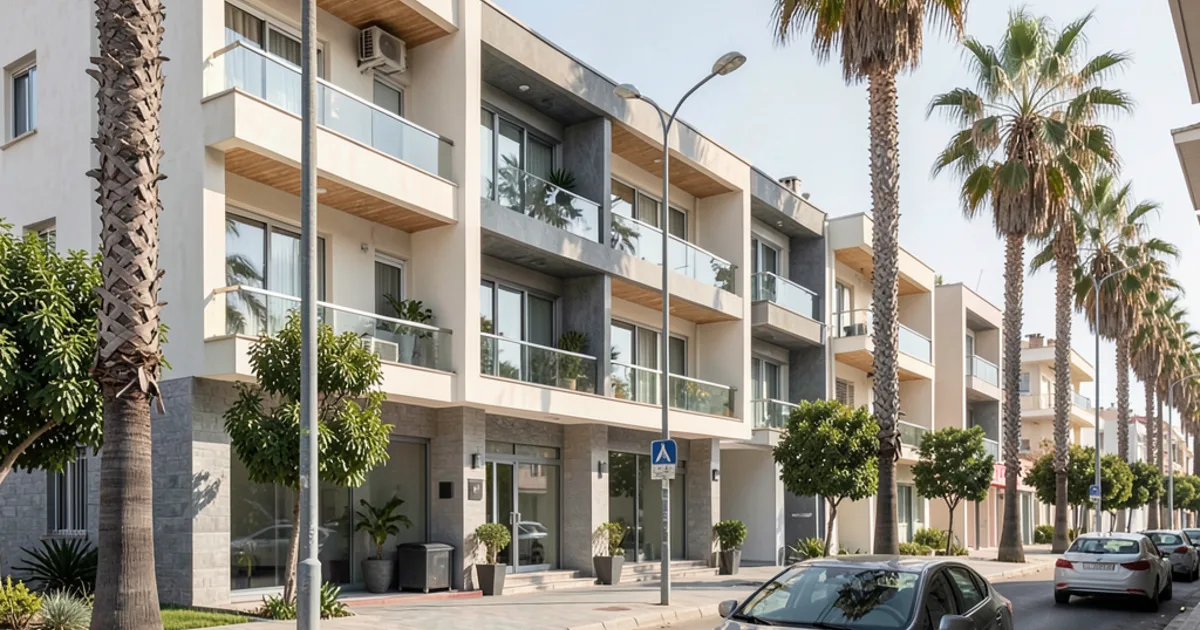
Investing in Caesarea is a decision that transcends simple real estate acquisition; it is an entry into a legacy of prestige and scarcity. As one of Israel's most sought-after locations, the area offers a unique combination of historical significance and modern luxury that few other regions can replicate. For the sophisticated investor, understanding the nuances of this market is essential to maximizing long-term value and navigating the local landscape effectively.
Quick answer: Caesarea offers a unique investment opportunity in a historic Mediterranean destination with strong tourism appeal. The region combines cultural heritage with modern real estate developments, attracting buyers looking for both lifestyle and rental potential.
- Why Consider Caesarea for a Real Estate Portfolio?
- Selecting Your Asset: Villas, Plots, or Apartments
- The Scarcity Factor: Why Land Value Drives the Market
- Legal Certainty: The Tabu and the Binding Memorandum
- Financial Planning: Mas Rekhisha and Transactional Costs
- Building Your Vision: Zoning and Municipal Approvals
- Ownership Obligations: Arnona and Property Upkeep
- The Exit Strategy: Navigating Mas Shevah
- Leveraging Capital: The Role of Mashkanta
- Risk Mitigation and Due Diligence
- Investment Profiles: Capital Gains vs. Rental Yield
Why Consider Caesarea for a Real Estate Portfolio?
Caesarea represents a unique intersection of historical grandeur and modern luxury. It is not merely a residential area but a prestigious enclave that commands attention on a global scale. Investors often look toward this region because it offers a level of exclusivity that is increasingly rare in the Mediterranean coastal belt.
The demand for such high-end living is driven by both local high-net-worth individuals and a growing number of international buyers. This dual demand creates a resilient market environment that can withstand broader economic fluctuations better than standard residential markets. When supply is strictly limited by geography, the underlying value of the assets tends to be preserved over long cycles.
Investing here requires a shift in mindset from standard residential speculation to long-term wealth preservation. One is not just buying square footage; one is acquiring a piece of a highly controlled and curated environment. This makes the asset class behave more like a blue-chip commodity than a common residential property.
- High barrier to entry ensures exclusivity.
- Resilient demand from diverse buyer demographics.
- Geographic scarcity limits new supply.
Selecting Your Asset: Villas, Plots, or Apartments
Investors approaching Caesarea must first decide which vehicle best suits their risk appetite and capital availability. Luxury villas represent the most direct route to high-end residential ownership, offering immediate lifestyle benefits. These properties are often turnkey, meaning they are ready for occupancy or immediate rental income, though they require higher initial capital.
For those with a more aggressive growth strategy, purchasing a plot to build offers significant upside potential. This approach allows an investor to control the design, quality, and timing of the development process. While this path requires more significant involvement and a higher tolerance for construction timelines, the ultimate value of a custom-built villa can far exceed that of a pre-existing structure.
Apartments provide a more accessible entry point into the Caesarea market, particularly for those focused on rental yields. While they lack the expansive privacy of a villa, they offer greater liquidity and easier management. In a high-demand area, well-located apartments can serve as a stable foundation for a diversified real estate portfolio.
- Turnkey Villas: Immediate utility and high prestige.
- Development Plots: Maximum customization and appreciation potential.
- Luxury Apartments: Higher liquidity and rental stability.
The Scarcity Factor: Why Land Value Drives the Market
The primary driver of value in Caesarea is the absolute scarcity of developable land. Because the region is bordered by the Mediterranean Sea and protected environmental zones, there is no possibility of significant outward expansion. This geographic constraint creates a natural ceiling on supply, which is a fundamental driver of long-term price appreciation.
As more global wealth concentrates in premium coastal locations, the competition for limited parcels in Caesarea intensifies. This competition is not merely about quantity but about the quality of the location, such as proximity to the beach or the historical park. The most desirable plots often command a significant premium due to their unique positioning.
Understanding this scarcity is vital when calculating the potential return on an investment. Unlike suburban markets where new developments can expand the supply, Caesarea remains a finite resource. This finiteness provides a level of security for investors who prioritize capital preservation through land ownership.
Legal Certainty: The Tabu and the Binding Memorandum
Real estate transactions in Israel are governed by a rigorous legal framework designed to protect all parties involved. The most critical component of this process is the Tabu land registry, which serves as the official record of ownership. Before committing any capital, it is essential to verify that the seller's rights are clearly documented in the Tabu to avoid disputes regarding ownership or hidden liens.
Once the preliminary terms are agreed upon, the parties enter the stage of the binding memorandum. This document is much more than a simple agreement; it is a legally enforceable contract that outlines all obligations, timelines, and penalties. A professional lawyer must meticulously draft this memorandum to ensure that every nuance of the deal is captured, as errors here can lead to significant complications.
For international investors, navigating these legalities can feel daunting, especially when dealing with local customs. Some investors choose to move to the region to better manage their assets, often starting with intensive Hebrew training in an ulpan. This linguistic and cultural integration can provide a smoother experience when interacting with local legal and municipal entities.
- Verify all ownership details in the Tabu registry.
- Ensure the binding memorandum is drafted by a qualified lawyer.
- Confirm all liens or encumbrances are cleared prior to closing.
Financial Planning: Mas Rekhisha and Transactional Costs
Acquiring property in Israel involves more than just the purchase price; one must account for various transactional taxes and fees. The most significant of these is the Mas Rekhisha, or purchase tax. This tax is calculated based on the value of the property and follows a progressive scale, meaning the rate increases as the property value rises.
Beyond the purchase tax, investors should budget for legal fees, notary costs, and agency commissions. These expenses can add a substantial percentage to the total cost of acquisition. It is prudent to factor these into your initial financial modeling to ensure you have sufficient liquidity for the closing process.
It is also important to consider the costs associated with the transfer of title and any administrative fees required by the municipality or land registry. A well-structured financial plan should include a buffer for these various costs to prevent unexpected capital requirements during the final stages of the transaction.
Building Your Vision: Zoning and Municipal Approvals
For those investing in plots, the development process is heavily dictated by the local municipality and its zoning laws. Before any construction begins, the project must align with the approved master plan for the area. This includes regulations regarding building height, density, and setbacks from the coastline or public roads.
Navigating the permit process requires patience and a thorough understanding of local building codes. The municipality plays a central role in reviewing architectural plans and ensuring they meet environmental and aesthetic standards. Working with a local architect who understands these specific regional requirements is highly recommended.
Investors must also be aware of any potential changes in zoning that could affect their land value. While the scarcity of land generally supports value, changes in environmental regulations or coastal protection laws can impact development rights. Due diligence must include a review of the municipality's long-term planning documents.
- Review municipal master plans before purchasing plots.
- Confirm building rights and density limits.
- Ensure compliance with coastal environmental regulations.
Ownership Obligations: Arnona and Property Upkeep
Once an investment is secured, the focus shifts to the ongoing costs of ownership. One of the primary recurring expenses is the Arnona, the municipal property tax. This tax is levied by the municipality and is typically calculated based on the size and usage of the property, with luxury villas often falling into higher brackets.
Maintaining a high-end asset in a coastal environment also requires a significant commitment to upkeep. The salt air and humidity can accelerate the wear on building exteriors, landscaping, and mechanical systems. For villas and large estates, regular maintenance is not just a matter of aesthetics but a necessity to preserve the property's long-term market value.
Managing these costs effectively is key to maintaining a healthy return on investment. Many owners choose to employ professional property management services to handle maintenance, Arnona payments, and tenant relations. This allows the investor to maintain a hands-off approach while ensuring the asset remains in peak condition.
The Exit Strategy: Navigating Mas Shevah
A successful investment is only complete when the exit strategy is executed effectively. When selling a property in Israel, investors must be prepared for the implications of Mas Shevah, or capital gains tax. This tax is applied to the profit realized from the sale of the asset and is a critical factor in determining net returns.
The calculation of Mas Shevah can be complex, as it involves looking at the difference between the purchase price and the sale price, adjusted for certain factors. Understanding how this tax applies to different types of property, such as a primary residence versus an investment property, is vital. Professional tax advice is highly recommended to optimize the tax position during the sale.
Timing the market for an exit is also a key component of the strategy. Because Caesarea is a prestige market, the pool of buyers is specific, and transactions may take longer than in high-volume residential areas. An investor should aim to exit during periods of high demand to maximize the potential for a premium sale price.
Leveraging Capital: The Role of Mashkanta
Financing the purchase of real estate in Israel can be achieved through a Mashkanta, which is a mortgage. For many investors, utilizing a mortgage allows for greater leverage, potentially increasing the return on equity. However, the terms and availability of Mashkanta can vary significantly depending on whether the buyer is a local resident or an international investor.
Banks in Israel typically require a substantial down payment, especially for high-value luxury properties. The interest rates and repayment structures offered by financial institutions should be carefully analyzed to ensure they align with the investor's cash flow requirements. It is important to consider how interest rate fluctuations might impact the long-term cost of the debt.
For those managing investments from abroad, securing a Mashkanta may require additional documentation and a more complex application process. Establishing a relationship with a local financial adviser who understands the needs of international clients can be a significant advantage in navigating the mortgage landscape.
Risk Mitigation and Due Diligence
No investment is without risk, and real estate in a premium location like Caesarea requires rigorous due diligence. Beyond the legal ownership in the Tabu, investors must investigate the physical and environmental condition of the property. This includes checking for potential issues related to coastal erosion, drainage, or soil stability.
Due diligence should also extend to the local regulatory environment. Changes in municipal policies, taxation laws, or environmental protections can alter the investment's profile. A thorough investigation of the municipality's recent and upcoming decisions can help mitigate these risks.
Finally, it is essential to conduct a thorough financial audit of the transaction itself. This includes verifying all costs, from Mas Rekhisha to potential maintenance liabilities. A comprehensive approach to due diligence ensures that the investor enters the market with a clear understanding of both the opportunities and the potential pitfalls.
- Conduct environmental and physical property inspections.
- Verify municipal zoning and building rights.
- Perform a complete financial audit of all transaction costs.
Investment Profiles: Capital Gains vs. Rental Yield
Investors in Caesarea generally fall into two categories: those seeking capital appreciation and those seeking rental yield. Capital appreciation is the primary goal for those investing in plots or undervalued villas, where the aim is to benefit from the long-term rise in land and property values. This strategy requires a longer time horizon and higher risk tolerance.
Rental yield, on the other hand, is more common among those who purchase luxury apartments or turnkey villas. These investors seek a steady stream of income from high-end tenants, often seasonal or long-term residents. While the yield in a prestige area may be lower than in more affordable markets, the stability and quality of the tenants can offer a more predictable income stream.
A balanced portfolio may include a mix of both asset types to mitigate risk. By combining the growth potential of land and development with the immediate cash flow of rental properties, an investor can build a robust real estate presence in Caesarea. Understanding which profile aligns with your financial goals is the first step toward a successful investment.
FAQ
What is the most important legal step when buying in Caesarea?
The most critical step is verifying the property's status in the Tabu land registry. This ensures that the seller has clear ownership and that there are no hidden liens or encumbrances on the property.
How does the Mas Rekhisha affect my initial investment?
Mas Rekhisha is a purchase tax that is paid at the time of acquisition. It is calculated on a progressive scale based on the property value, so it can represent a significant portion of your upfront costs.
Can I use a Mashkanta to buy luxury villas?
Yes, a Mashkanta, or mortgage, can be used to finance luxury real estate in Israel. However, the required down payment and interest terms can vary based on your residency status and the property's value.
What are the main ongoing costs of owning a villa?
The primary ongoing costs include the Arnona (municipal property tax) and regular maintenance. Because luxury villas are often in coastal environments, upkeep of the structure and landscaping is vital for value preservation.
What should I consider regarding Mas Shevah?
Mas Shevah is the capital gains tax applied when you sell your property. It is calculated on the profit made from the sale and can significantly impact your net return on investment.
Get your personalised shortlist
Listings and up-to-date info, straight to your inbox, free, no obligation.
See Caesarea villas →