Sustainable Real Estate Trends in Israeli Urban Development
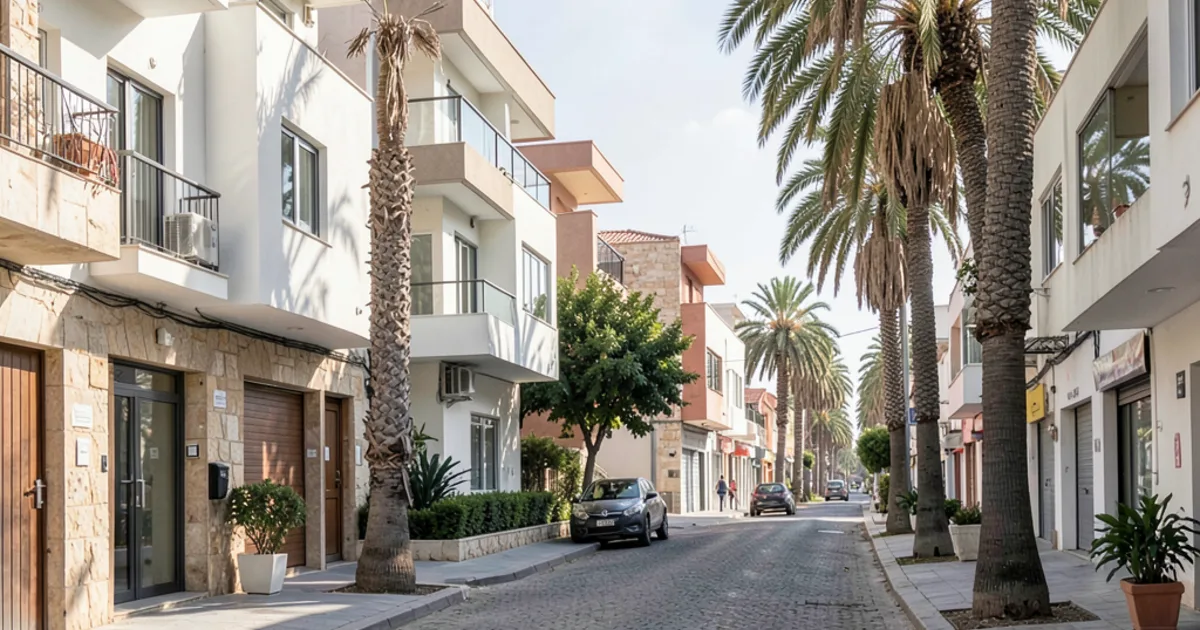
The Israeli real estate landscape is undergoing a profound transformation as environmental consciousness moves from a niche interest to a central pillar of urban development. As the nation faces unique challenges regarding resource scarcity and urban density, the focus of both developers and investors is shifting toward long-term ecological viability. This article explores the critical trends shaping the future of Israeli cities and how they impact property value, lifestyle, and investment security.
- How are green building standards evolving in the Israeli market?
- How does smart technology enhance sustainable urban living?
- Why is water conservation a priority in Israeli residential design?
- How can renewable energy be integrated into modern apartment complexes?
- What role do municipal regulations play in sustainable development?
- How does urban renewal contribute to environmental sustainability?
- How does material selection impact the sustainability of a new build?
- What are the financial implications of investing in green real estate?
- How is luxury redefined through the lens of sustainability?
- How can property owners prepare for long-term climate resilience?
How are green building standards evolving in the Israeli market?
The Israeli construction landscape is undergoing a fundamental shift as ecological considerations move from the periphery to the center of urban development. For many years, the primary focus for developers and buyers alike was centered on location and total square footage. However, a new paradigm is emerging where the environmental footprint of a building becomes a primary driver of value. This evolution is not merely a trend but a necessary response to the growing demand for resource-efficient living spaces.
Modern green building standards in Israel emphasize the reduction of energy consumption through advanced architectural design. This includes the implementation of high-performance thermal envelopes and specialized glazing that minimizes heat gain during the intense summer months. By prioritizing these elements during the initial design phase, developers can create structures that require significantly less energy for climate control. This approach provides a long-term benefit to residents by stabilizing utility costs and enhancing indoor comfort.
Furthermore, the certification of green buildings is becoming an increasingly important metric for discerning investors. While various international and local standards exist, the goal remains the same: to provide a transparent measure of a building's environmental impact. A property that adheres to these rigorous standards often benefits from improved air quality and more efficient resource management. As these standards become more integrated into the local market, they will likely serve as a benchmark for quality in the residential sector.
- Enhanced thermal insulation for temperature stability
- High-performance window glazing to reduce heat gain
- Adherence to recognized green building certifications
- Integration of low-VOC (Volatile Organic Compound) interior finishes
How does smart technology enhance sustainable urban living?
The integration of smart technology into residential buildings is a cornerstone of modern sustainable urbanism in Israel. Smart home systems are no longer just about convenience; they are essential tools for managing resource consumption. Through the use of Internet of Things (IoT) devices, residents can monitor and control their energy and water usage in real-time. This level of granular control allows for the identification of waste and the optimization of daily consumption patterns.
In larger apartment complexes, smart building management systems can optimize the operation of shared infrastructure. For example, smart lighting in common areas and intelligent HVAC systems in building lobbies can significantly reduce the collective energy footprint. These technologies allow for automated adjustments based on occupancy and ambient conditions, ensuring that energy is never wasted on empty spaces. This collective efficiency contributes to a lower overall carbon footprint for the entire community.
Beyond energy, smart technology plays a vital role in security and maintenance. Sensors can detect water leaks in real-time, preventing the massive waste and structural damage that often follow undetected pipe failures. For the homeowner, this means a reduction in unexpected repair costs and a more resilient living environment. As these technologies become more affordable and accessible, their integration into new developments will become a standard expectation for modern urban dwellers.
- Real-time energy monitoring via mobile applications
- Automated climate control based on occupancy
- Smart leak detection systems to prevent water waste
- Intelligent lighting for common residential areas
Why is water conservation a priority in Israeli residential design?
Given the arid climate and the inherent water scarcity in the region, water conservation has become a critical component of sustainable real estate. Developers are increasingly incorporating advanced water management systems into both new apartment buildings and luxury villas. This includes the implementation of greywater recycling systems, which treat water from sinks and showers for use in toilet flushing and landscape irrigation. Such systems significantly reduce the demand for fresh potable water.
For owners of larger plots or villas, efficient irrigation is a major concern. Modern sustainable designs often include smart irrigation controllers that adjust watering schedules based on local weather data and soil moisture levels. This prevents overwatering and ensures that gardens and green spaces remain lush without unnecessary resource expenditure. The ability to maintain high-quality landscaping with minimal water usage is becoming a key selling point for premium properties.
The implementation of these systems also has long-term implications for property maintenance and costs. While the initial installation of greywater or rainwater harvesting systems may require additional capital, the reduction in monthly water bills is substantial. Furthermore, as water costs continue to rise, properties equipped with efficient water management technologies will likely hold their value more effectively. Investing in water-wise infrastructure is a proactive step toward future-proofing a real estate asset.
- Greywater recycling for non-potable uses
- Rainwater harvesting systems for garden irrigation
- Smart irrigation controllers linked to local weather data
- Low-flow plumbing fixtures in all residential units
How can renewable energy be integrated into modern apartment complexes?
The integration of renewable energy, particularly solar power, is a rapidly growing trend in Israeli urban development. Rooftop solar photovoltaic (PV) systems are increasingly being installed on apartment buildings to offset the electricity consumption of common areas and individual units. This transition not only reduces the reliance on the national grid but also provides a hedge against rising energy prices. For many residents, the ability to generate their own clean energy is a significant lifestyle and financial advantage.
In shared residential structures, the management of solar energy requires careful coordination. The electricity generated can be used to power elevators, hallway lighting, and water heating systems, which in turn reduces the monthly maintenance fees for all owners. In some advanced developments, the energy produced can even be credited back to individual apartments through smart metering. This creates a shared sense of responsibility and benefit regarding the building's energy production.
When considering a Mashkanta (mortgage) for a new property, it is worth noting that some financial institutions are becoming more receptive to properties with high energy efficiency and renewable energy capabilities. While not a universal rule, the trend toward 'green financing' is growing. Homeowners who invest in solar-ready buildings may find themselves in a more favorable position when seeking long-term financing. This makes renewable energy integration a strategic component of both environmental stewardship and financial planning.
- Rooftop solar PV installations for common area power
- Solar water heating systems for residential units
- Smart metering for shared energy distribution
- Potential for green financing via specialized mortgage products
What role do municipal regulations play in sustainable development?
Navigating the regulatory landscape is a critical step for any developer or individual looking to build a sustainable home. Local municipalities play a decisive role in enforcing environmental standards and urban planning guidelines. This process begins with the initial permit application, where the design must often comply with specific local bylaws regarding energy efficiency, water usage, and green space requirements. Understanding these local nuances is essential to avoid delays in the construction process.
A key part of the due diligence process for any buyer is reviewing the binding memorandum and the property's status in the Tabu land registry. It is vital to ensure that any promised sustainable features are legally documented and that the building complies with all municipal environmental mandates. Discrepancies between a developer's marketing claims and the actual permits issued by the municipality can lead to significant legal and financial complications later on. Working with a knowledgeable local agency or legal professional is highly recommended.
Furthermore, many municipalities are introducing incentives for developers who exceed minimum environmental standards. These might include expedited permit processing or concessions related to building density. For the buyer, this means that a municipality's proactive stance on sustainability can actually drive higher quality development in certain urban zones. Being aware of the specific environmental goals of a municipality can help an investor identify areas that are likely to see high-quality, sustainable growth.
- Compliance with local municipal building codes
- Verification of permits through the Tabu land registry
- Reviewing the binding memorandum for sustainable specifications
- Monitoring municipal incentives for green development
How does urban renewal contribute to environmental sustainability?
Urban renewal projects, such as Pinui Binui and TAMA 38, are fundamental to the sustainable development of Israeli cities. These processes involve the upgrading or complete replacement of older, inefficient buildings with modern, high-density structures. From a sustainability perspective, this is far more efficient than sprawling outward into natural landscapes. By densifying existing urban centers, Israel can accommodate more residents while minimizing the impact on the surrounding environment.
Modern urban renewal projects are designed with much higher environmental standards than the buildings they replace. New structures typically feature much better insulation, more efficient water systems, and better integration with public transportation. This transition from low-density, inefficient housing to high-density, smart living is a key strategy for reducing the overall carbon footprint of a city. For residents, this often means moving from an aging apartment to a modern, energy-efficient home without changing their location.
However, participating in urban renewal requires a deep understanding of the complexities involved. The process affects everything from the value of the existing property to the eventual Mas Shevah (capital gains tax) implications upon resale. Investors must carefully weigh the benefits of a new, sustainable build against the potential disruptions of the renewal process. When managed correctly, urban renewal represents one of the most effective ways to create sustainable, high-quality urban environments.
- Pinui Binui (Emptying and Building) for high-density efficiency
- TAMA 38 for upgrading existing building structures
- Reduction of urban sprawl through densification
- Modernization of aging, inefficient residential infrastructure
How does material selection impact the sustainability of a new build?
The sustainability of a real estate asset is deeply rooted in the materials used during its construction. The 'embodied carbon' of a building, the total energy required to extract, manufacture, and transport materials, is a growing concern for environmentally conscious developers. To mitigate this, there is an increasing trend toward using locally sourced materials, which significantly reduces the carbon footprint associated with transportation. For example, using local stone or regional concrete can be a much more sustainable choice than importing luxury materials from abroad.
Beyond the origin of the materials, their lifecycle and durability are paramount. Sustainable construction prioritizes materials that are long-lasting and require minimal maintenance. Using high-quality, durable finishes reduces the frequency of renovations and the waste generated by frequent replacements. This not only benefits the environment but also protects the long-term value of the property for the owner. A building that remains in excellent condition for decades is inherently more sustainable than one that requires constant repair.
Innovation in construction technology is also introducing new, eco-friendly materials to the Israeli market. From recycled content in building components to advanced composites that offer superior insulation, the options for sustainable building are expanding. Developers who embrace these innovations are often able to create more efficient and unique properties. For the buyer, selecting a property built with high-quality, sustainable materials is a way to ensure both environmental responsibility and lasting structural integrity.
- Prioritizing locally sourced building materials
- Focusing on low-embodied carbon construction
- Selecting durable, low-maintenance finishes
- Utilizing innovative, recycled, or eco-friendly composites
What are the financial implications of investing in green real estate?
Investing in sustainable real estate requires a sophisticated understanding of both immediate costs and long-term returns. It is a common misconception that green properties are always more expensive to acquire. While the initial capital expenditure for advanced technologies like solar arrays or greywater systems might be higher, these costs are often offset by significantly lower operational expenses. Over the lifecycle of the property, the savings on electricity, water, and maintenance can be substantial.
Tax considerations such as Mas Rekhisha (purchase tax) and Mas Shevah (capital gains tax) must be integrated into any investment analysis. As sustainability becomes a standard for quality, properties with high ecological credentials are likely to command a premium in the resale market. This potential for higher appreciation can significantly improve the overall return on investment. An investor should view the upfront cost of sustainable features as a strategic investment in the property's future marketability.
Furthermore, the impact on monthly carrying costs, such as Arnona (property tax) and communal maintenance fees, should be considered. While Arnona is generally based on property size and location, the efficiency of a building can influence the overall cost of living within a complex. A well-managed, energy-efficient building often has more stable and predictable communal expenses. This stability is highly attractive to both long-term residents and investors seeking predictable cash flows.
- Balancing higher upfront costs with long-term utility savings
- Analyzing Mas Shevah implications for premium resale
- Evaluating the impact of efficiency on communal maintenance fees
- Considering the long-term ROI of energy-efficient infrastructure
How is luxury redefined through the lens of sustainability?
In the most exclusive residential areas, the definition of luxury is undergoing a significant shift. Traditionally, luxury was synonymous with excess, large scale, and imported opulence. Today, a new standard of luxury is emerging: one that is defined by harmony with nature, technological sophistication, and environmental responsibility. For high-end villa owners, luxury is increasingly found in the seamless integration of high-tech efficiency and natural beauty.
This new luxury manifests in properties that offer privacy and exclusivity while maintaining a minimal ecological footprint. Imagine a villa that uses advanced solar technology to power its entire estate, or a home that features a self-sustaining water system for its lush, Mediterranean gardens. These features are no longer seen as compromises but as sophisticated enhancements that provide a more refined and conscientious way of living. Sustainability is becoming a hallmark of high-end, bespoke design.
The market for luxury real estate is also seeing a rise in demand for properties that offer 'wellness' through environmental design. This includes superior air filtration systems, natural light optimization, and the use of non-toxic, organic materials. For the discerning buyer, a sustainable home is a sanctuary that promotes health and well-being. As this trend continues, the most prestigious addresses will be those that can demonstrate a commitment to both unparalleled comfort and environmental stewardship.
- Shift from excess to ecological harmony
- Integration of high-tech efficiency with natural landscapes
- Wellness-focused design (air quality, natural light)
- Sustainability as a marker of prestige and exclusivity
How can property owners prepare for long-term climate resilience?
As climate patterns shift, long-term resilience is becoming a vital consideration for all real estate owners. Resilience refers to a property's ability to withstand environmental stressors, such as extreme heatwaves or changes in water availability. For coastal properties, this also includes preparing for potential shifts in sea levels or increased storm intensity. Building for resilience is not just about survival; it is about ensuring the continued usability and value of the asset.
Proactive measures for resilience can include enhancing a building's thermal management, improving drainage systems, and ensuring robust energy backups. For villa owners, this might involve investing in more advanced landscaping that can withstand drought or implementing more sophisticated flood prevention measures. For apartment owners, it means choosing buildings that have been designed with future environmental shifts in mind. These steps are essential to protecting the physical integrity of the property.
Ultimately, preparing for resilience is a form of risk management. A property that is demonstrably resilient to environmental changes is a more secure investment. As insurance companies and lenders increasingly take climate risk into account, having a resilient property can lead to more favorable terms and lower premiums. By viewing sustainability through the lens of resilience, owners can protect their capital and ensure that their homes remain safe and comfortable for generations to come.
- Enhancing thermal management for extreme heat
- Improving drainage and flood prevention systems
- Investing in robust energy backup solutions
- Mitigating climate-related risks to protect asset value
FAQ
How does sustainability affect property value in Israel?
Sustainable properties often command a premium due to lower operational costs and higher desirability. As environmental awareness grows, these homes are likely to appreciate more steadily compared to traditional, inefficient builds.
Are green buildings more expensive to maintain?
While the initial technology may be more advanced, the long-term maintenance is often more predictable and efficient. Savings on water and electricity typically offset the costs of maintaining smart systems.
What should I look for in a sustainable apartment?
Look for high-quality thermal insulation, energy-efficient appliances, and smart water management systems. It is also important to check if the building has any recognized green certifications.
How do municipal regulations impact green development?
Municipalities often set the standards for energy and water efficiency through building permits. Some cities even offer incentives for developers who exceed these baseline environmental requirements.
Get your personalised shortlist
Listings and up-to-date info, straight to your inbox, free, no obligation.
See Caesarea villas →